The Blood of Dawnwalker guide · Launch evidence baseline · 2026-09-02
How the 30-day Clock Really Works
The 30 days are not a real-time countdown. Free exploration does not continuously drain time; only objectives, quest stages, and day-night switches with a stated cost advance the world clock.
01 / Before you begin
Check these assumptions first
- 01Know that day and night open different ability sets.
- 02Check the hourglass cost before confirming an action.
02 / Decision steps
Work through the choice in this order
- 01
Separate real time from story time
Do not panic while reading the map, taking a detour, fighting, or studying the environment. Official material states that the world does not keep advancing while you think.
- 02
Treat the hourglass as the true price tag
Only activities that advance time belong in the 30-day budget. Check the hourglass before committing, then compare its cost with the value of a rescue, clue, or upgrade.
- 03
Switch forms with a purpose
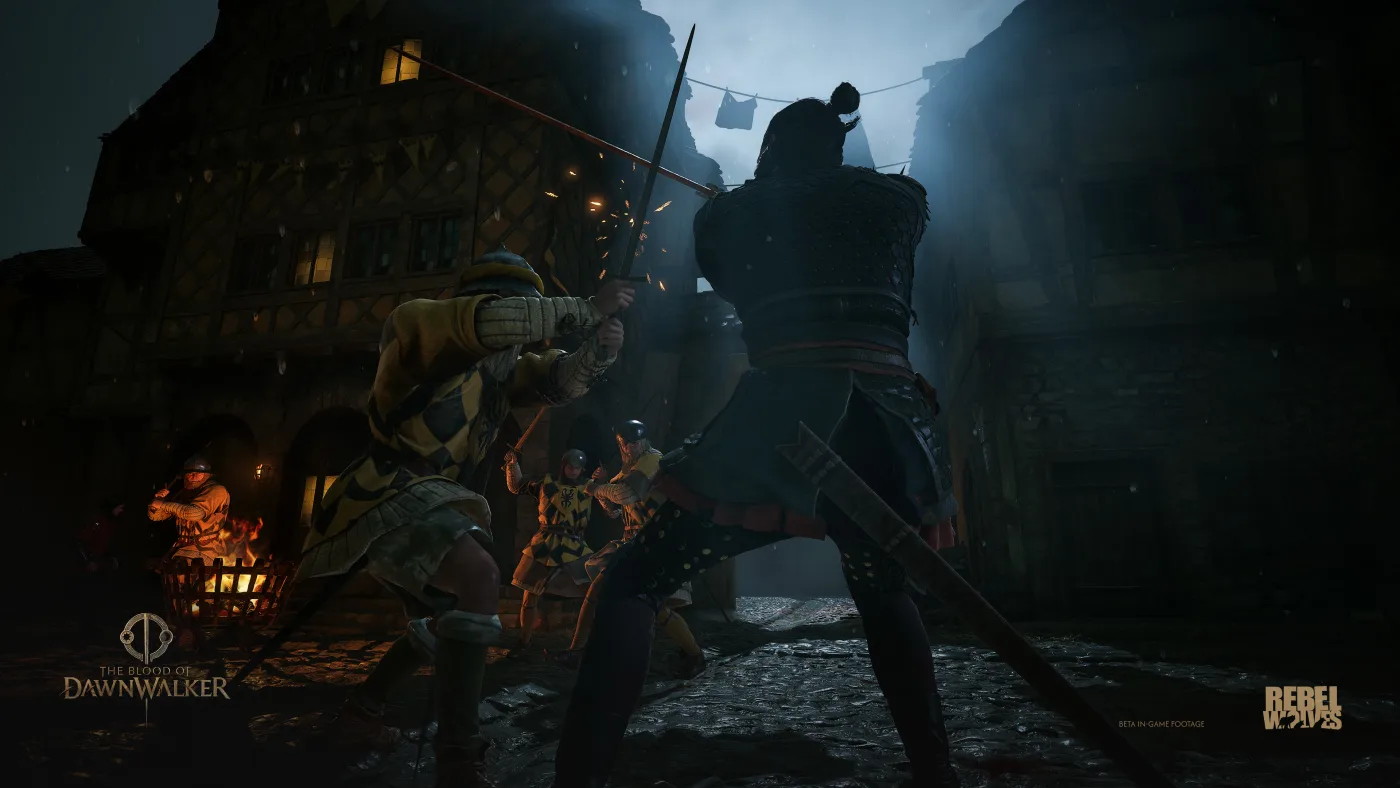
Swordplay and witchcraft define the day, while vampiric powers and vertical movement define the night. Decide which obstacle you want to solve before spending time on a switch.
- 04
Leave overwhelming objectives as return points
The narrative sandbox lets you challenge powerful enemies early or return after several days of growth. If an encounter dominates you, find manuals, skills, or another lead first.
03 / Common pitfalls
Do not let a false assumption choose for you
Mistaking 30 days for a real-time countdown and skipping exploration.
Looking at a quest reward without checking its hourglass cost.
Developing only the human or vampire side and missing much of the other time period.
Reading “possible early” as an official recommendation to attempt it early.
04 / Sources
Evidence for this guide
05 / Keep reading
Open the database entries used by this guide
Day, Night & the 30-day Clock
Coen has 30 in-game days to prevent his family from being executed, but this is not a real-time countdown. Only specific objectives, quests, and deliberate day-night switches advance world time.
View entry ↗
Coen
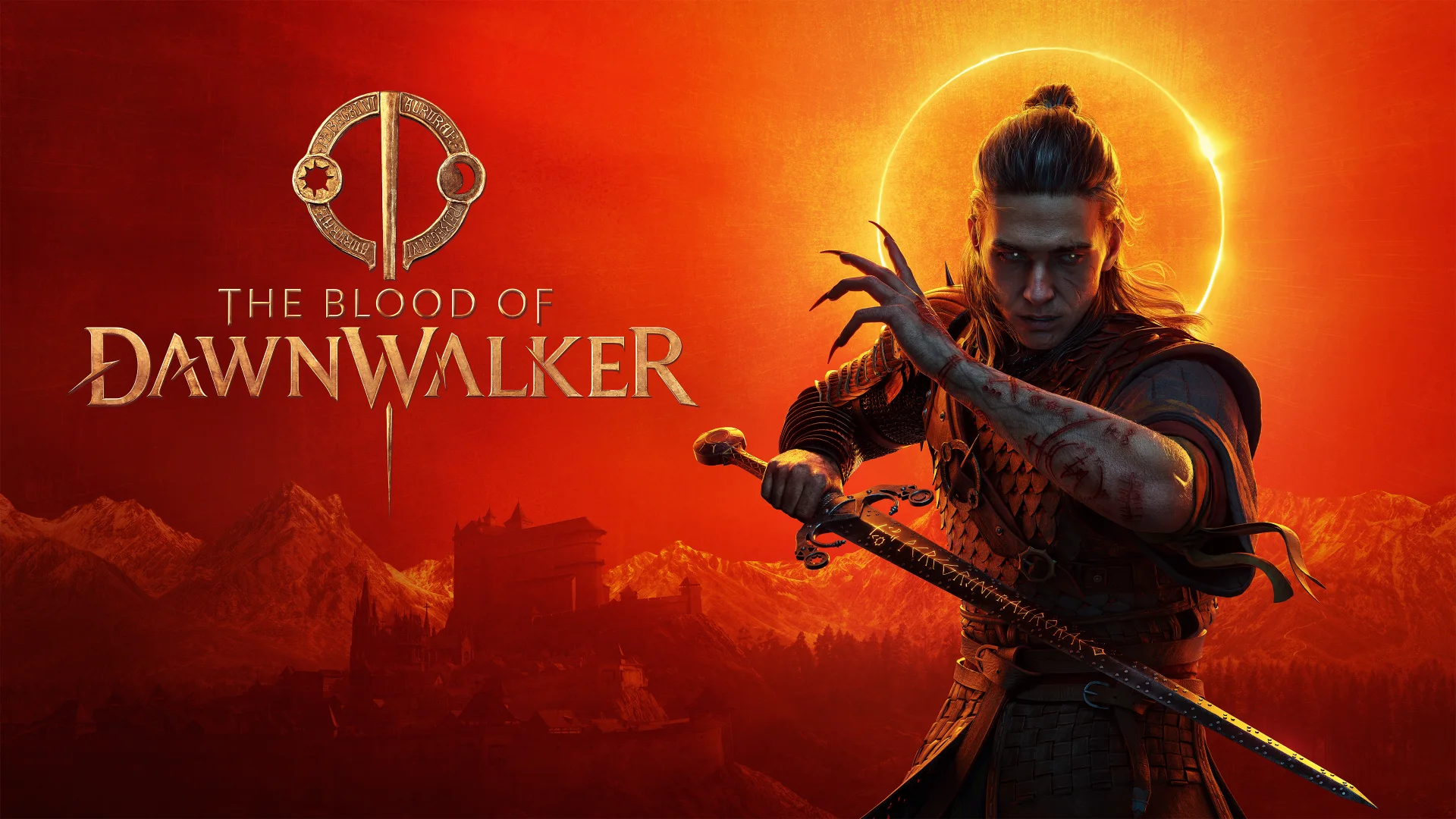
Coen is the playable Dawnwalker: human by day and empowered by his vampiric nature at night. His immediate goal is to rescue his family from the vampires ruling the vale.
View entry ↗
Character Progression
Coen has three ability paths: Swordmastery, Witchcraft, and Vampiric powers. They share experience and skill points, but each path also has its own knowledge or corruption gates.
View entry ↗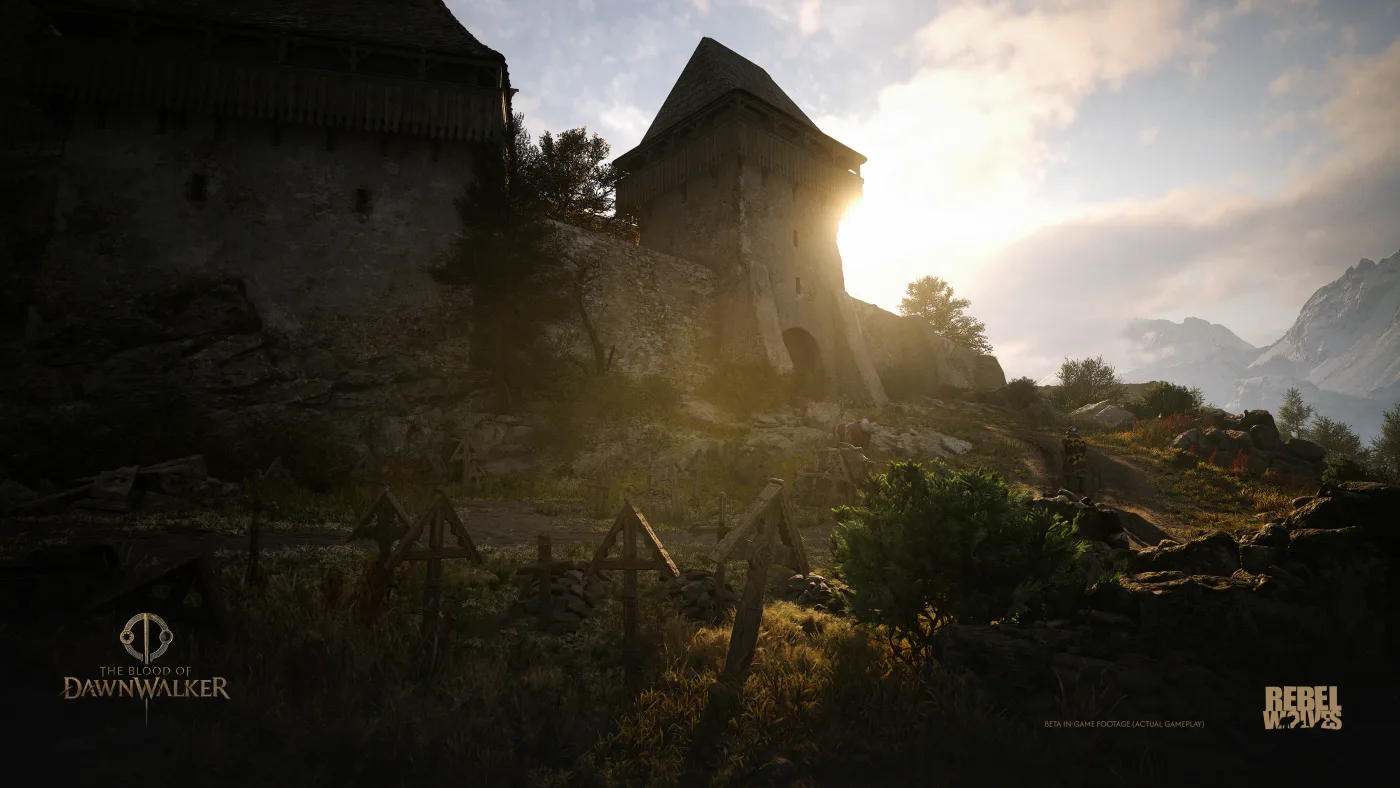
Greifberg Castle
Greifberg Castle rises above Svartrau as Brencis's residence and the seat from which the vampire regime looks over the vale.
View entry ↗