
The Blood of Dawnwalker Wiki · Game systems · Spoiler-free
Day, Night & the 30-day Clock
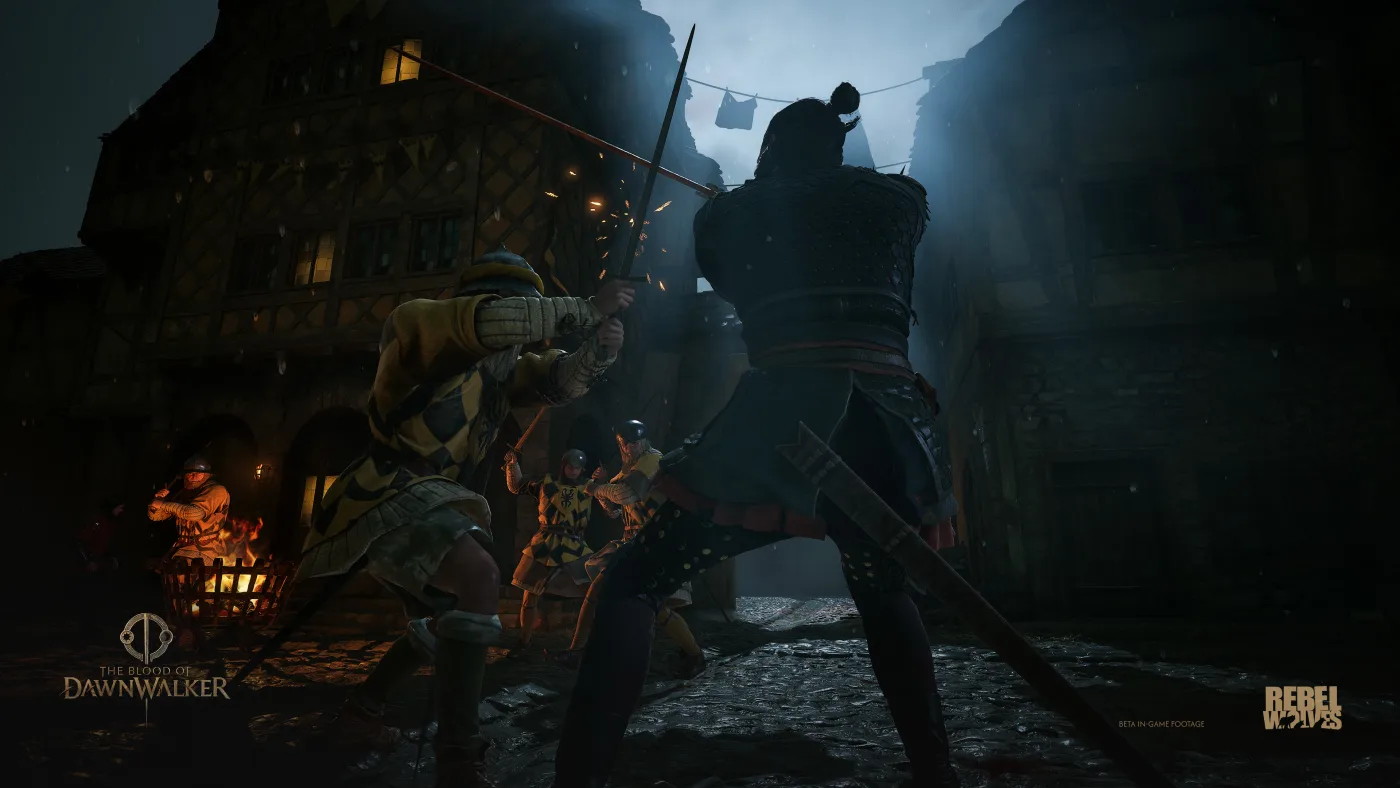
Coen has 30 in-game days to prevent his family from being executed, but this is not a real-time countdown. Only specific objectives, quests, and deliberate day-night switches advance world time.
Short answer. You can spend as much real time as you like exploring, fighting, and planning. Time management begins when you choose whether to pay the cost shown beside an hourglass-marked action.
01 / Context
What this means in the valley
Every activity that advances story time shows an hourglass and the amount of time it will consume. Switching between day and night also reduces the time left while changing which abilities Coen can use.
02 / Requirements
Limits to keep in mind
- 01
Day: human form with swordplay and witchcraft.
- 02
Night: vampire form with vampiric powers and night movement.
- 03
An active scene does not expire merely because real time passes.
03 / Core facts
At a glance
- Total limit
- 30 in-game days
- Real-time countdown
- No
- Cost indicator
- Hourglass icon
- Main advances
- Specific actions and day-night switches
04 / Field notes
Details that affect interpretation and routing
The official example says a burning house can remain on fire while the player investigates for hours of real time, until world time advances.
The Town Crier Q&A says the game does not simply end when the 30 days pass, although Coen’s family may suffer the consequences.
The story creates pressure while deliberately leaving room to think and explore.
05 / Sources
Evidence for this page
06 / Keep reading
Related entries and guides

Coen
Coen is the playable Dawnwalker: human by day and empowered by his vampiric nature at night. His immediate goal is to rescue his family from the vampires ruling the vale.
View entry ↗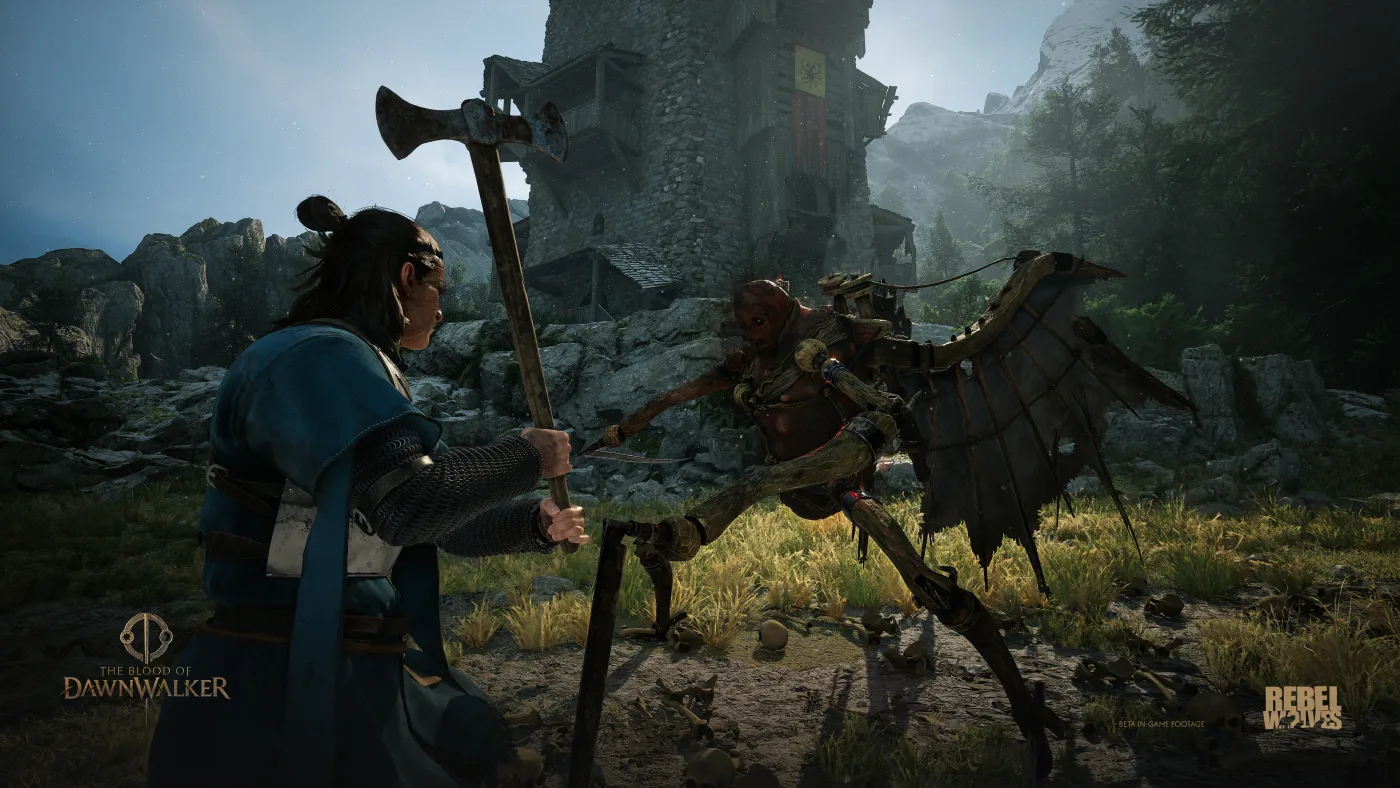
Vampiric Abilities
Vampiric abilities awaken at night, giving Coen claws, heightened senses, and vertical movement. Deeper corruption opens stronger powers, but most demand a sacrifice.
View entry ↗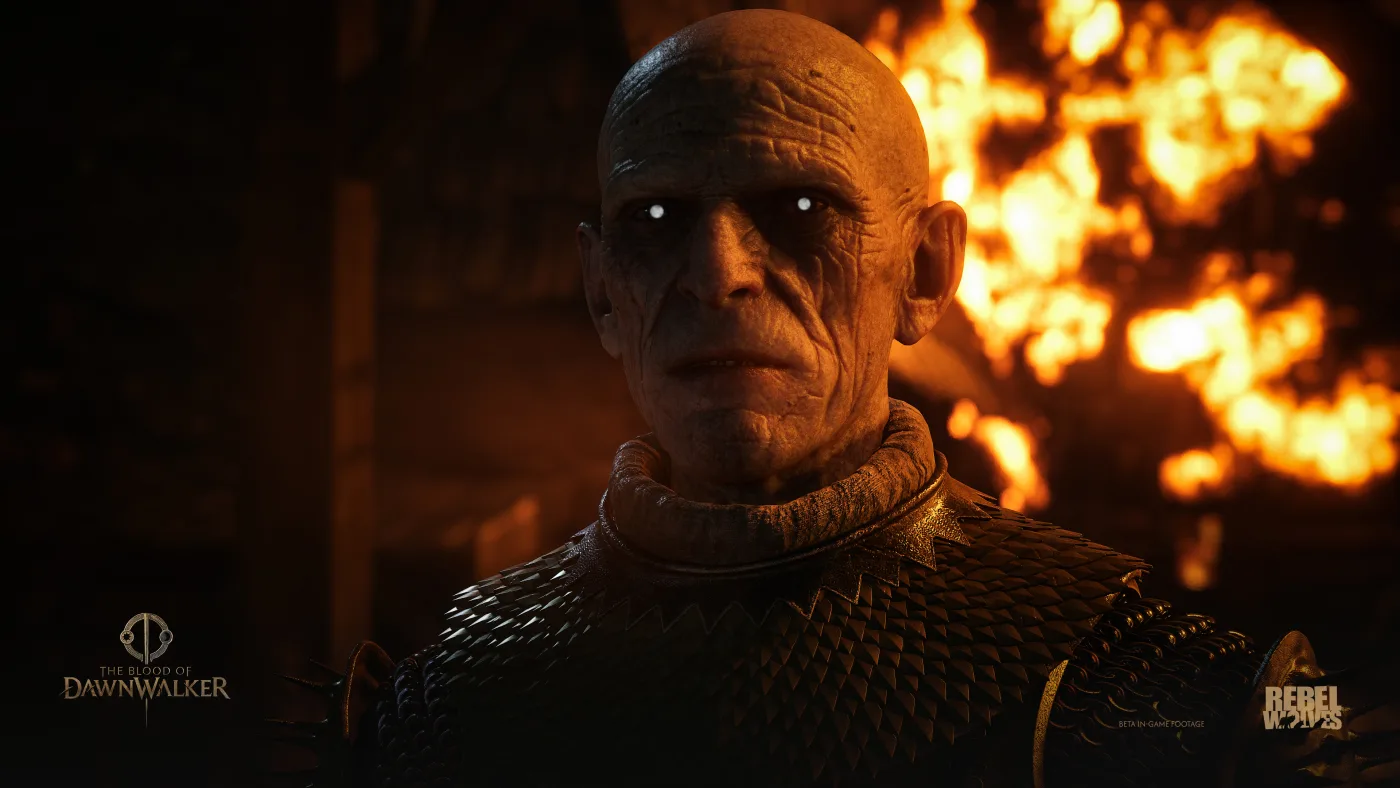
Blood Hunger
Blood Hunger is an active nighttime constraint. If Coen remains blood-starved, he may lose control of his body and attack an NPC to drain their blood.
View entry ↗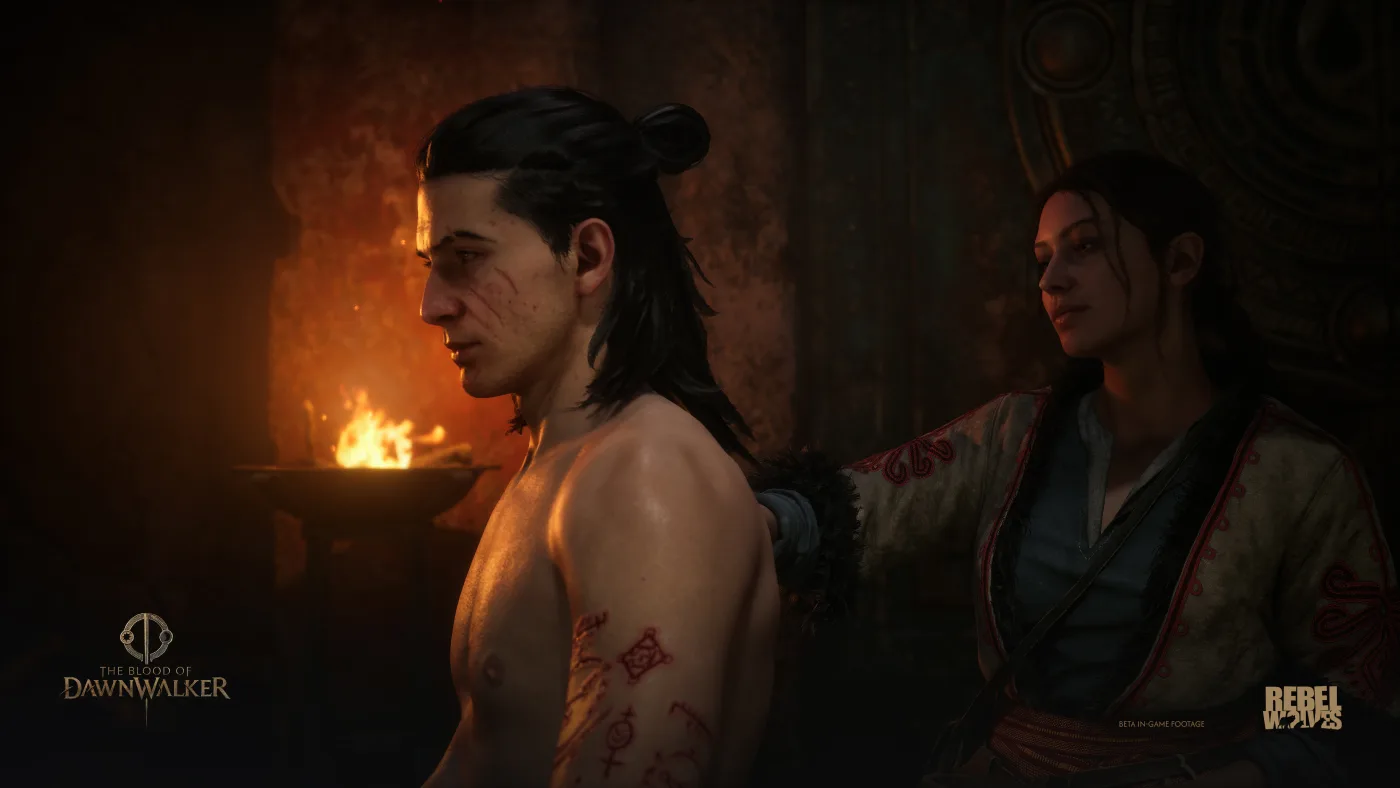
Witchcraft
Witchcraft is Coen's supernatural daytime path. Power enters his body through runes cut into the skin; at night the wounds close and the runes stop working.
View entry ↗
Vale Sangora
Vale Sangora is the main setting: an isolated pocket of the Carpathians where old legends, monsters, and a vampire regime have all become real.
View entry ↗